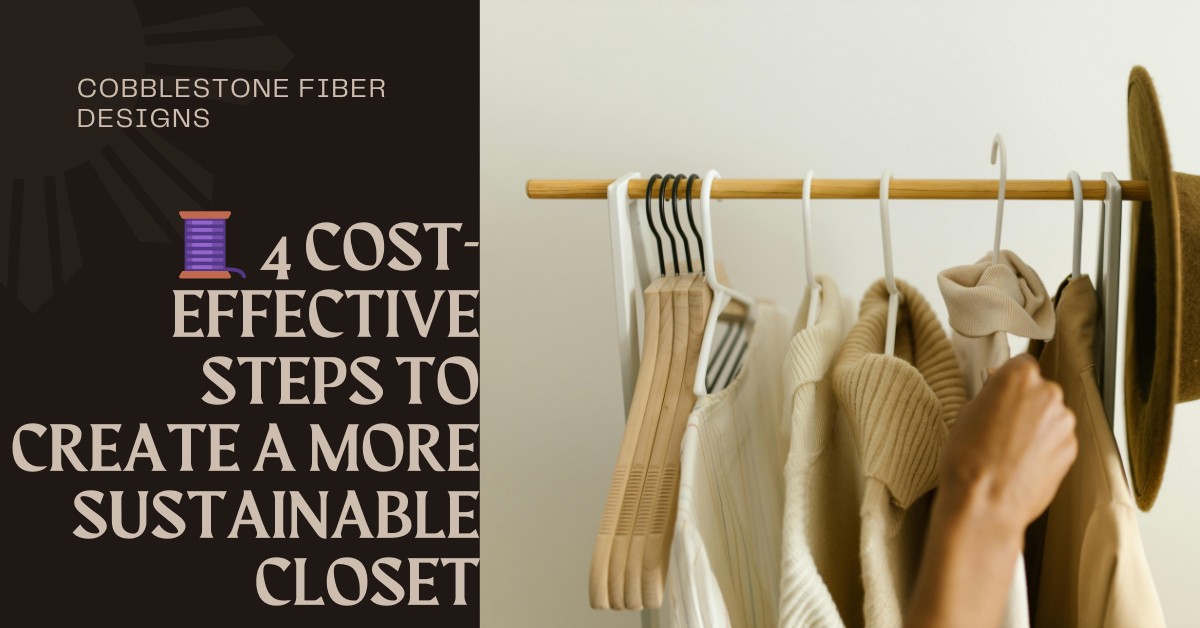
4 Cost-Effective Steps to Create a More Sustainable Closet
September is the season of fresh starts. Kids are heading back to school, routines are shifting, and many of us are eyeing our closets, wondering what we’ll wear as the weather cools.
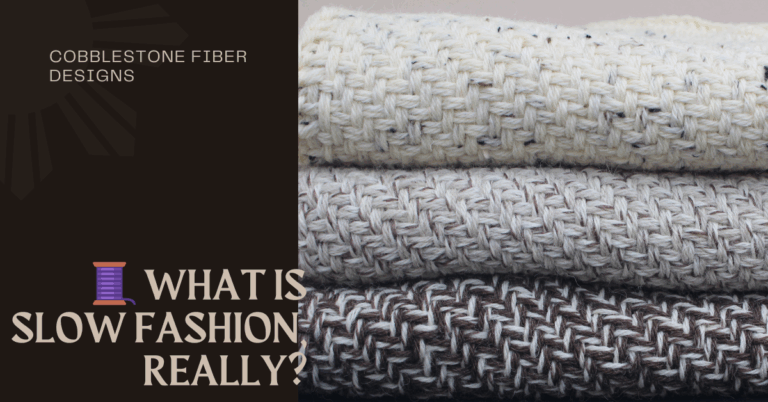
But building a sustainable wardrobe doesn’t mean throwing everything out and starting from scratch. In fact, the most sustainable closet is one that works with what you already have. Slow fashion isn’t about spending more—it’s about choosing better.
Here are four cost-effective steps you can take this fall to create a wardrobe that’s more sustainable, functional, and aligned with your values.

1. Shop Your Closet First
Before you head to the store (or even to a thrift shop), take an honest look at what’s already in your closet.
- Pull out seasonal items you may have forgotten about.
- Try layering summer favorites with shawls or scarves to carry them into fall.
- Repair or refresh garments that need a little love (a missing button or small mend is often all it takes).
Often, you’ll discover you have more than you think—just styled in new ways.

2. Invest in Versatile Staples
Instead of buying multiple trendy pieces, focus on versatile items that work across seasons:
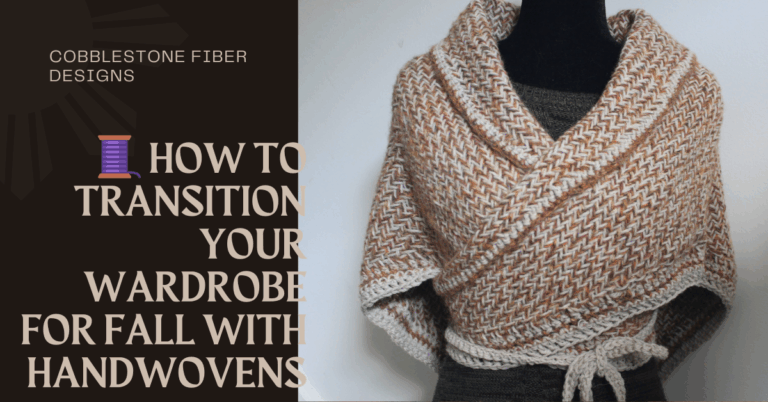
- A handwoven shawl that can act as a wrap, scarf, or blanket.
- A neutral cardigan or jacket that pairs with almost anything.
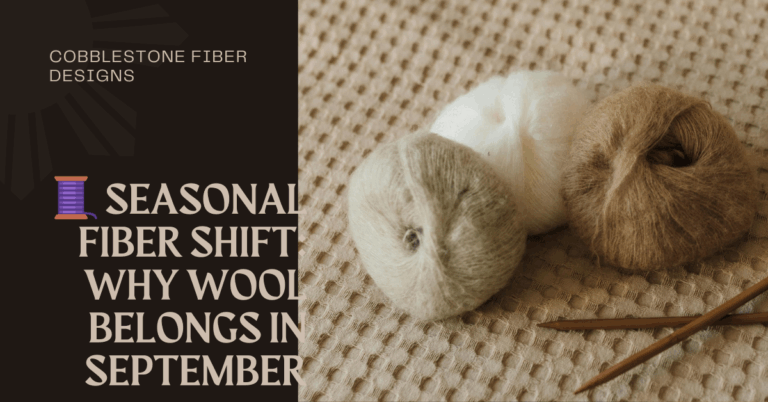
- One or two accessories (like a wool scarf or hat) that elevate an outfit instantly.
These staples cost more up front than fast fashion, but they outlast and outperform cheaper options—saving you money in the long run.

3. Embrace Secondhand & Handmade
A sustainable closet doesn’t require only new purchases. In fact, secondhand and handmade are two of the best ways to shop sustainably.
- Thrift and consignment shops: Great for basics, layering pieces, and even statement finds.
- Handmade pieces: When you add a handwoven shawl or naturally dyed scarf, you’re investing in something unique, long-lasting, and ethically created.
Every time you buy secondhand or handmade, you’re reducing waste and supporting a slower, more intentional fashion cycle.
4. Care for What You Own
The biggest key to a sustainable closet? Make your clothes last.
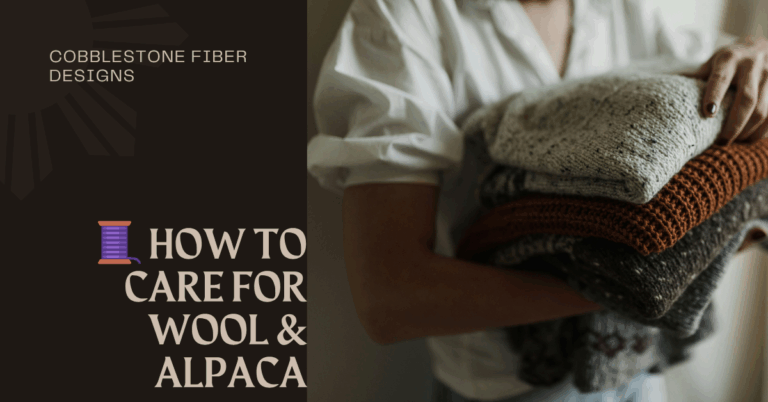
- Wash gently and less often—wool and natural fibers especially benefit from less washing.
- Store garments properly (fold knits, hang wovens, keep moths at bay).
- Mend and refresh instead of discarding.
A garment that lasts ten years is far more sustainable than one replaced every season.

Closing Reflection
Creating a more sustainable closet doesn’t have to be overwhelming—or expensive. By shopping your closet, choosing versatile staples, embracing secondhand and handmade, and caring for what you already own, you’ll find yourself with a wardrobe that feels timeless, seasonal, and uniquely yours.
Slow fashion isn’t about having more. It’s about finding contentment in enough.

✨ Closing Call-to-Action: Looking for a versatile piece to carry you through this fall and beyond? Explore my collection of handwoven shawls and scarves—each one designed to support a sustainable, beautiful, and season-ready wardrobe.