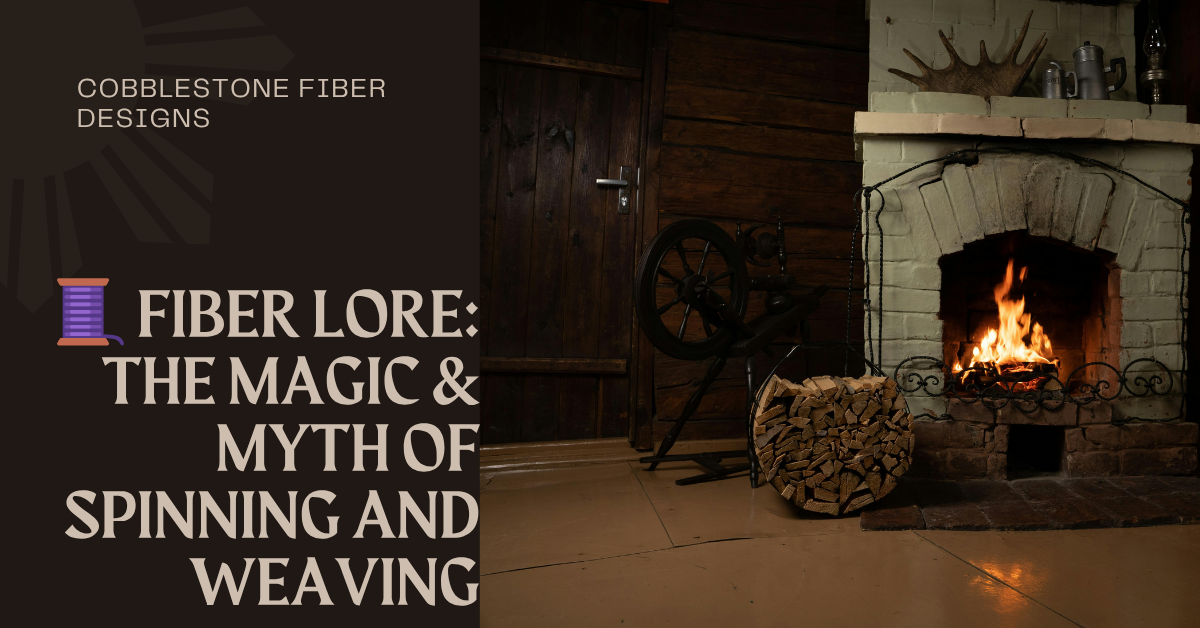
Fiber Lore: The Magic & Myth of Spinning and Weaving
For thousands of years, humans have taken raw fiber—plant or animal—and transformed it into thread, cloth, and story. Weaving and spinning were never just about survival. They carried a sense of mystery, symbolism, and cultural weight. In myths across the world, spinning wheels and looms were not only tools but instruments of fate, protection, and tradition.
And here in America, especially in the Eastern states, spinning and weaving carried their own kind of folklore—woven through the lives of early settlers, Native peoples, and generations of women whose hands kept households clothed, warm, and tied to tradition.
Threads of Fate: From Old World to New World
Before diving into American lore, it helps to remember that our ancestors carried their myths across the ocean. The Old World stories of the Fates, the Norns, and Spider Woman didn’t disappear—they found echoes in the lives of American women sitting at their wheels by firelight.
In Europe, spinning and weaving were already steeped in superstition:
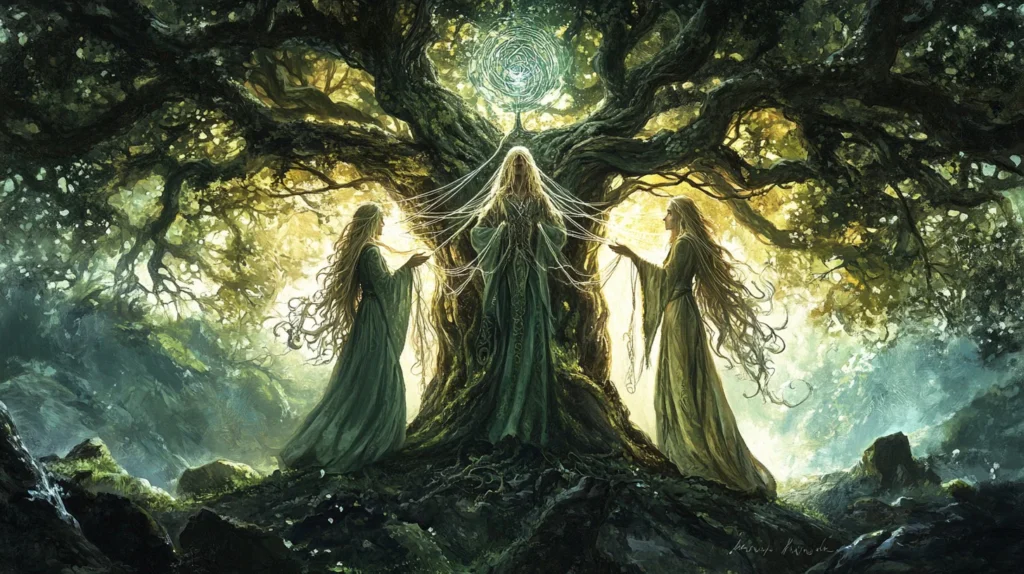
- The Fates of Greece measured and cut the thread of life.
- The Norns of Norse mythology wove destiny at the base of the world tree.
- Spider Woman in Navajo tradition gifted weaving as a sacred practice.
When colonists came to the New World, they carried this idea that thread was life itself, and the act of spinning could hold power over a household’s survival.
📌 Did you know? Many immigrants brought their spinning wheels across the Atlantic, treating them as prized possessions alongside Bibles, tools, and seeds.
Spinning in Colonial America: Duty, Protest, and Identity
In the American colonies, spinning became not only a domestic task but a symbol of identity and even rebellion.
During the 1760s and 1770s, women who spun their own yarn and wove their own cloth were participating in what became known as the Homespun Movement. Refusing to buy imported British textiles was both a political and spiritual act. Homespun cloth became a symbol of resistance, independence, and strength.
This wasn’t just about fabric—it was about freedom. Imagine the flick of the wheel, the hum of the spindle, and the soft pile of wool building up beside the hearth. Each turn of the wheel was a small act of defiance, a declaration that America would be self-sustaining.
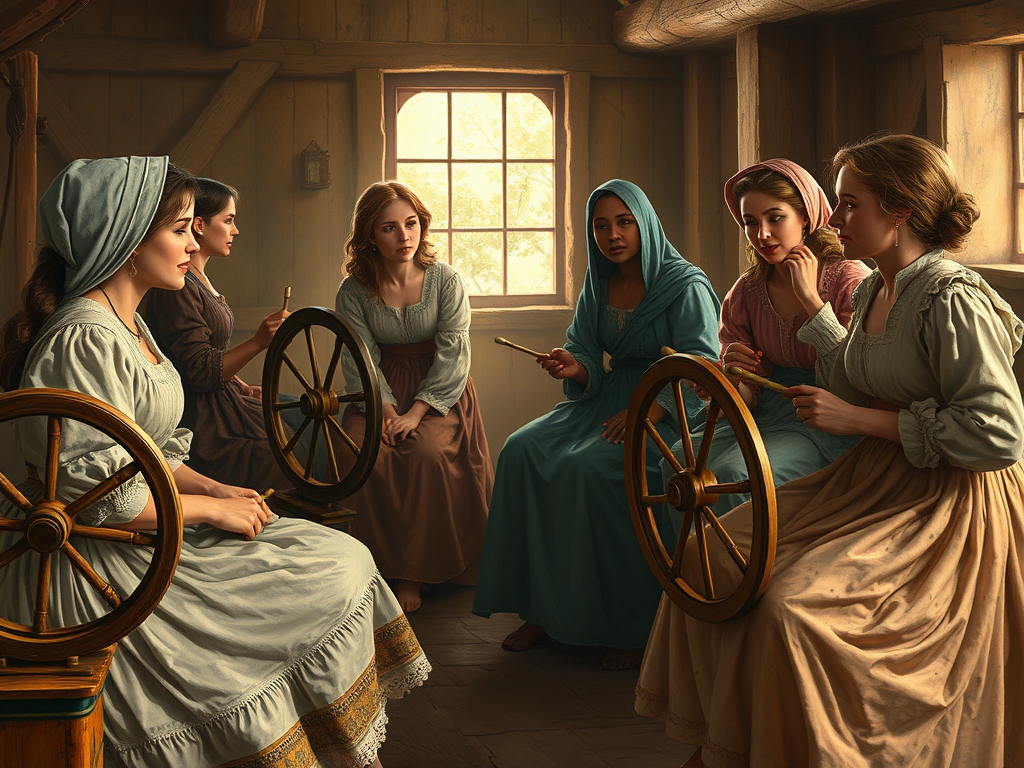
📌 Fun Fact: Spinning bees weren’t just practical—they were social and political gatherings. They spread news, reinforced community ties, and sent a strong message of solidarity against British imports.
Appalachian Lore: Weaving with Spirit
In the Appalachian Mountains, where isolation bred both hardship and creativity, spinning and weaving carried their own lore. The act of making cloth was survival, but it also grew its own superstitions.
Old tales from the mountains suggested that:
- A wheel should not be spun on Sundays—lest misfortune follow.
- A tangle in the thread was said to represent a tangle in one’s life.
- Handwoven coverlets (often patterned in stars, trees, and geometric charms) were thought to carry protective power, wrapping families not just in warmth but in blessing.
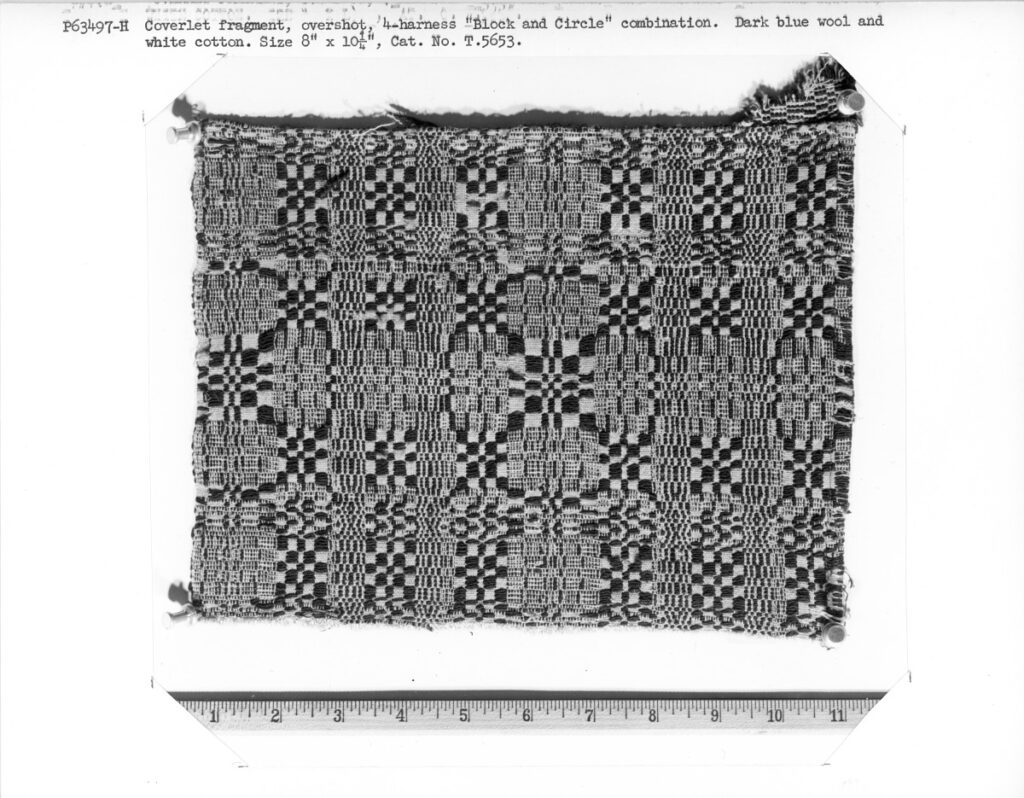
📌 Folklore Gem: Appalachian overshot coverlets weren’t just pretty—they were believed to carry luck and blessing, with certain patterns warding off bad spirits or protecting newborns.
Native American Fiber Traditions in the East
While Navajo weaving of the Southwest is well-known, the Eastern woodlands had their own fiber traditions, often overlooked. Tribes in the Northeast, such as the Haudenosaunee (Iroquois) and Powhatan peoples, made cordage and woven mats from plant fibers like hemp, milkweed, and nettle.
Woven mats were used in ceremonies, homes, and even as trade goods. And much like in European folklore, weaving and fiber arts were tied to spiritual practice. A thread could symbolize connection—to the earth, to ancestors, to the cycles of life.
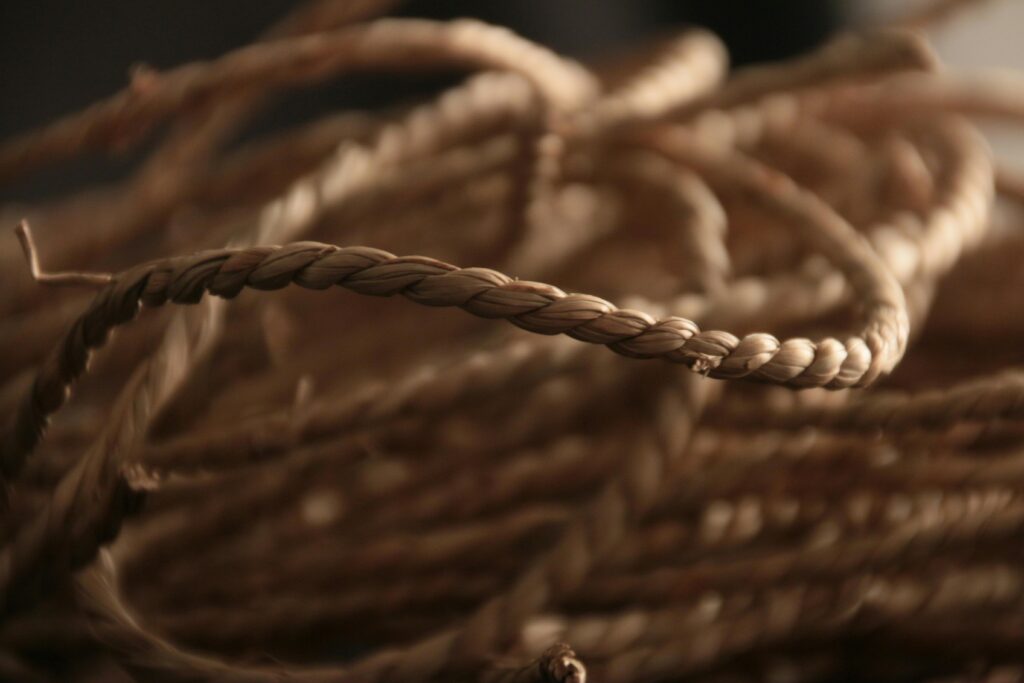
📌 Did you know? Milkweed fiber, now recognized as a sustainable alternative for textiles, was once a common Eastern woodland fiber source—long before cotton became dominant.
Superstitions of the Spinning Wheel
Even in early America, spinning wheels carried whispers of magic. Old wives’ tales warned:
- Never leave a wheel turning unattended—it could invite spirits to “finish” the work.
- Dropping a spindle was considered bad luck, a sign of misfortune or an unwelcome visitor on the way.
- A young woman’s skill with the wheel was seen as a mark of her worthiness as a future wife.
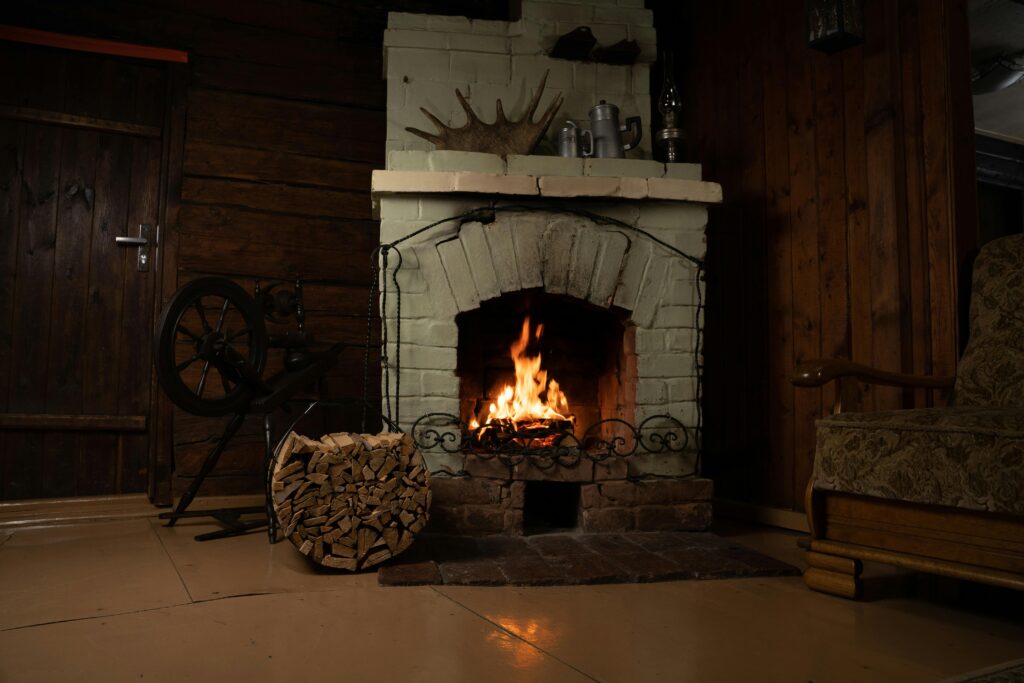
📌 Folklore Gem: Some households believed that a broken spinning wheel could “curse” the home until repaired, as though its silence unsettled the spirit of the house.
Quilts and Coverlets: Carriers of Story
As spinning led to yarn and weaving led to cloth, those cloths became part of American lore in their own right. Quilts and woven coverlets, especially in the 18th and 19th centuries, weren’t just practical—they were storytelling devices.
Some Appalachian legends say certain quilt patterns carried coded messages during the Underground Railroad (though historians debate this). Whether literal or symbolic, the idea remains powerful: fiber arts were a language, one understood by those who knew how to read the stitches.
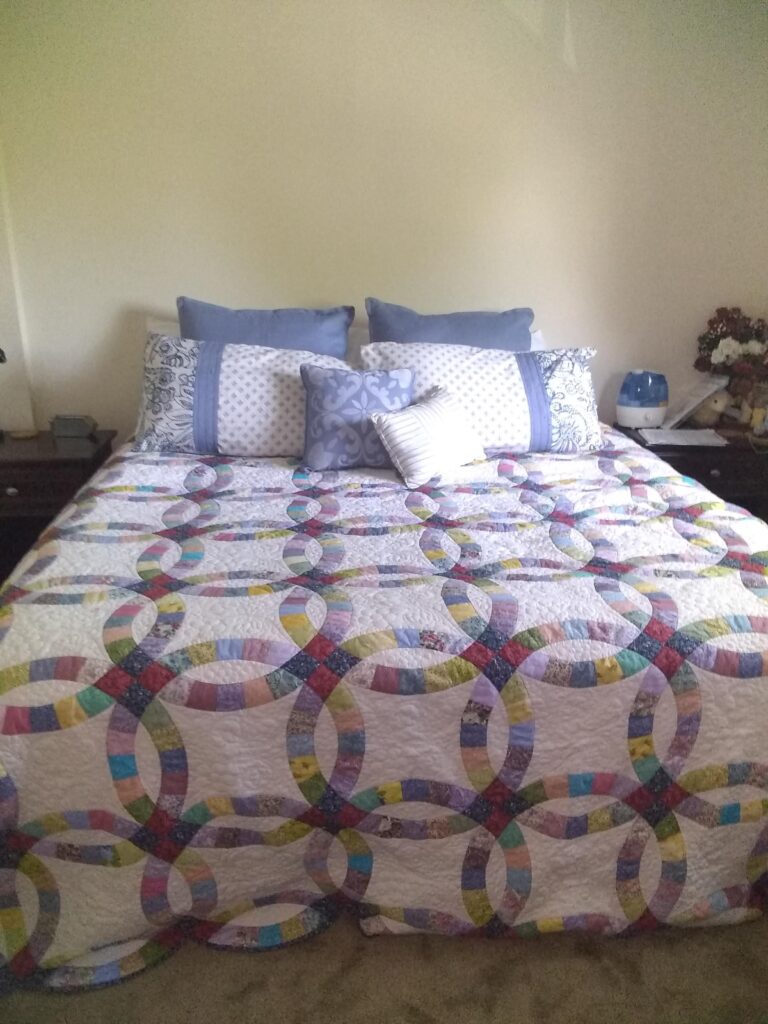
📌 Fun Fact: One common Appalachian saying was that “a good coverlet warms twice”—once in the weaving, once in the using.
The Spirit of Handmade
Even now, when machines can produce cloth at lightning speed, there’s something about the handmade that feels… different. Maybe it’s the echo of those old myths, or maybe it’s the intention left in every piece.
When I weave on my loom, I sometimes imagine the generations before me—colonial women spinning flax, Appalachian grandmothers weaving coverlets, Native women twisting fibers from milkweed into strong cord. Each one kept alive a story, whether they thought of it that way or not.
Handmade things still carry that spirit. They hold the hours of human hands, the rhythm of breath, the patience of repetition. In a world obsessed with speed, this older rhythm feels almost magical.
Closing Reflection
Spinning and weaving have always been more than the sum of their threads. They were acts of survival, yes, but also of protest, protection, identity, and connection. The lore of fiber runs deep in America—from the colonial homespun movement to Appalachian coverlets to Native fiber traditions rooted in the land.
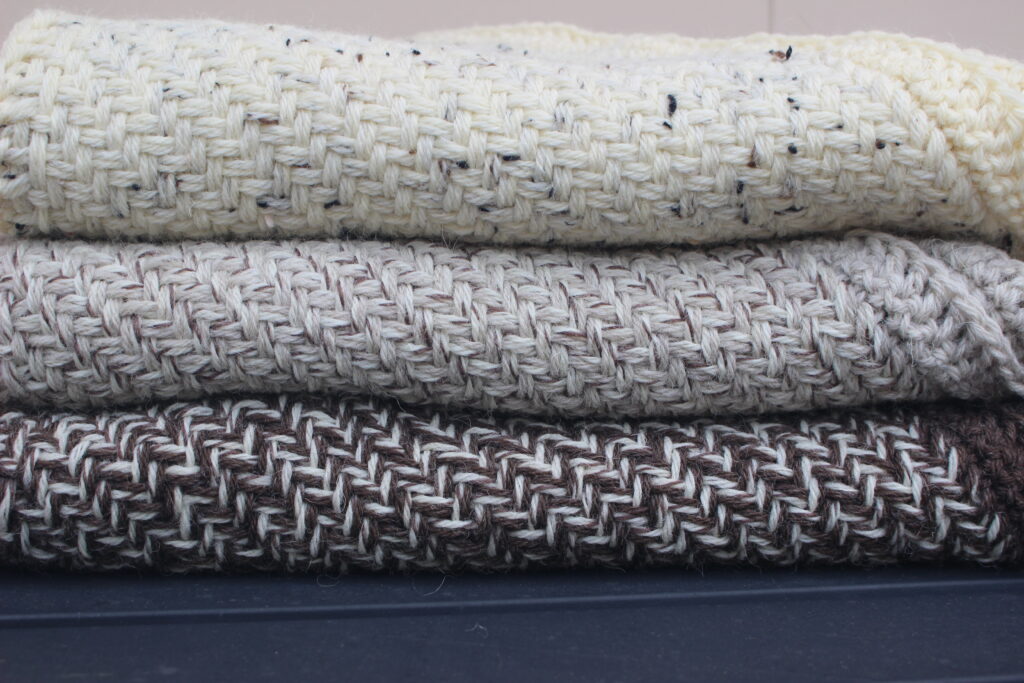
Every handmade piece is part history, part myth, and part heart. When we pick up a handwoven shawl or wrap ourselves in a handmade blanket, we’re not just keeping warm. We’re wearing story.
✨ A question for you:
Do you own a handmade piece that feels like it carries a story or spirit with it?
Share in the comments—I’d love to hear.
FAQ: Fiber Lore & American Traditions
What is fiber lore?
Fiber lore refers to the myths, traditions, and symbolic meanings connected to spinning, weaving, and fiber arts across cultures and history. It includes stories of the Fates and Norns, as well as American folklore around coverlets, quilts, and spinning bees.
Why was spinning important in Colonial America?
Spinning represented both survival and protest. During the American Revolution, women spun yarn and wove cloth as part of the Homespun Movement, resisting British imports and creating a symbol of independence.
What are Appalachian coverlets?
Appalachian overshot coverlets were handwoven bed coverings, often patterned with stars, trees, and charms. Folklore held that they carried blessings, luck, or protection for the family wrapped inside them.
What fibers did Native Americans in the East use?
Eastern woodland tribes used plant fibers such as hemp, milkweed, nettle, and basswood to create cordage, woven mats, and textiles. These traditions tied fiber directly to the land and to ceremonial life.
Why do handmade fiber arts still matter today?
Handmade textiles carry time, care, and intention in every stitch. They connect us to history, slow us down, and remind us that what we wear and use can carry both meaning and story.