What is Slow Fashion, Really?
If you’ve been following Cobblestone Fiber Designs for a while, you’ve probably heard me use the term slow fashion. It’s a phrase that’s popping up more and more these days, but it often gets misused or oversimplified. Slow fashion isn’t just about buying fewer clothes—it’s a mindset, a lifestyle shift, and a commitment to honoring the people, fibers, and traditions behind what we wear.
Let’s dig into what slow fashion really means, and why it matters.

Fast Fashion vs. Slow Fashion
To understand slow fashion, it helps to first look at its opposite: fast fashion.
- Fast fashion is built on speed and volume. Trends change weekly, clothes are produced cheaply, and garments are often worn only a handful of times before they end up in landfills.
- Slow fashion, on the other hand, asks us to pause. It encourages intentional choices, from the fibers we use to the way a garment is made, worn, and cared for.
Instead of a throwaway culture, slow fashion values durability, timeless design, and ethical production.

The Roots of Slow Fashion
Slow fashion draws inspiration from the slow food movement, which emphasizes local ingredients, traditional cooking, and mindful eating. In the same way, slow fashion asks us to appreciate clothing as more than just disposable goods—it’s about connection:
- Connection to the maker.
- Connection to the materials.
- Connection to cultural and historical traditions of fiber arts.
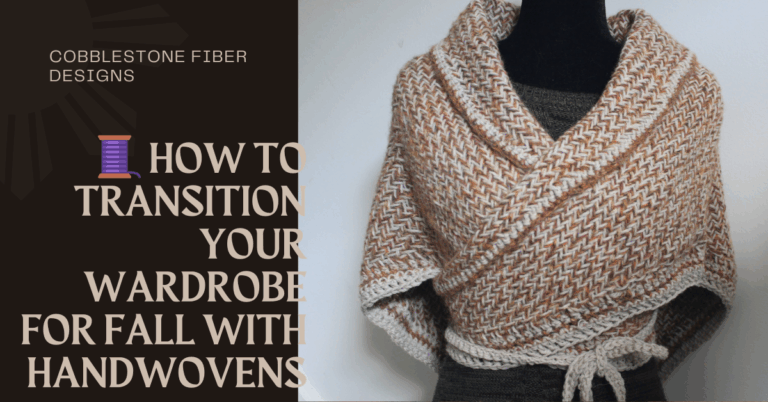
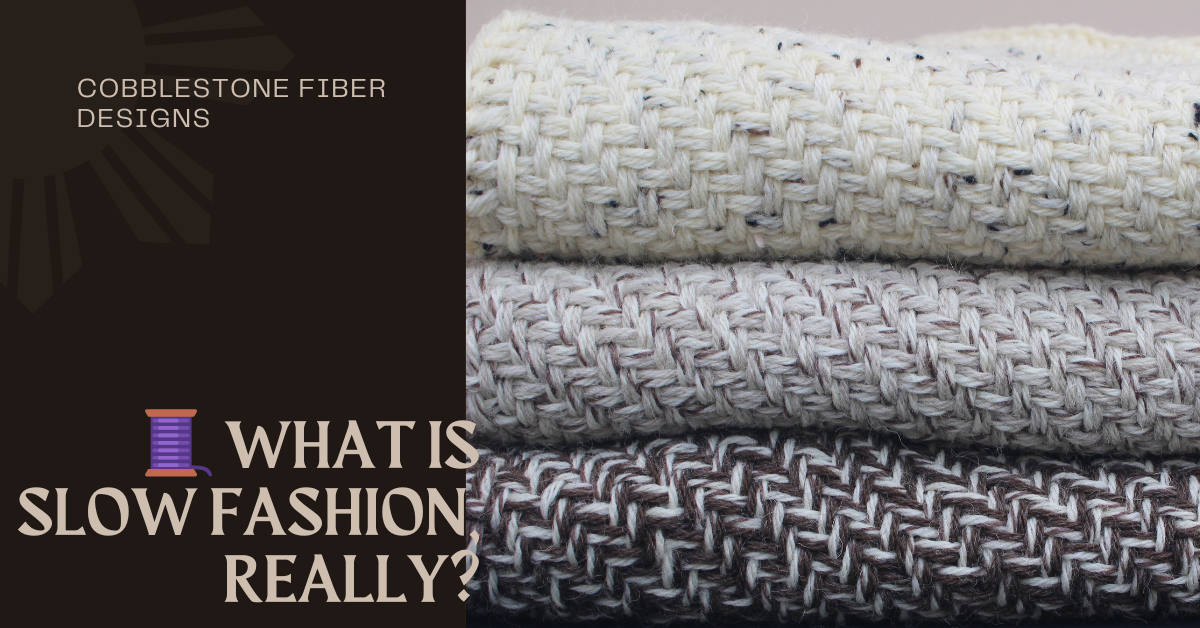
Handwoven, hand-knit, or naturally dyed pieces carry stories you simply won’t find on a rack in a fast fashion store.

Why Handmade Garments Embody Slow Fashion
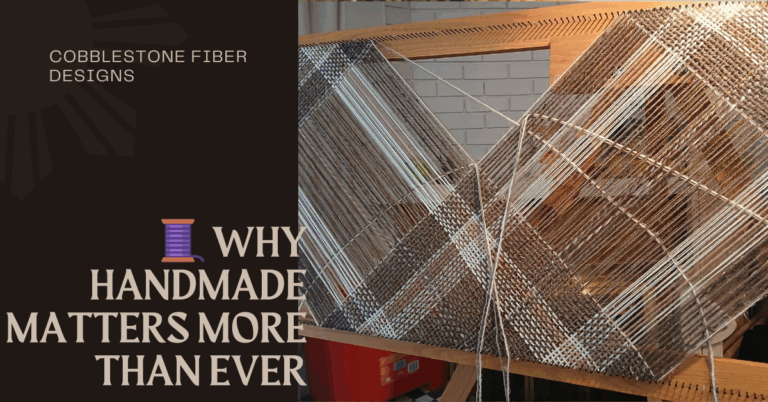
When I weave or knit something, it is the opposite of rushed. Every choice—from selecting the yarn to finishing the edges—is deliberate. Handmade garments check so many boxes of slow fashion:
- Quality: They’re built to last, not fall apart after one wash.
- Uniqueness: No two pieces are exactly alike.
- Ethical values: Small-scale makers often source natural fibers, work sustainably, and care about their impact on people and the planet.
- Emotional connection: Wearing something handmade reminds you of the craftsperson behind it.
This is why you’ll often hear me say that handmade is an act of resistance to the fast fashion cycle. It’s a way of saying: I value time, skill, and care over convenience.

How to Practice Slow Fashion (Even if You Don’t Weave or Knit!)
You don’t have to make your own clothes to embrace slow fashion. Here are a few approachable ways to bring this mindset into your wardrobe:
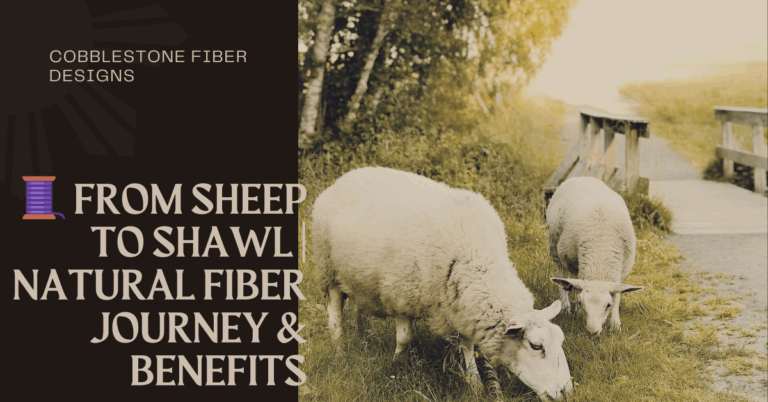
- Choose natural fibers whenever possible. They last longer and break down without harming the environment.
- Buy less, but better. One high-quality scarf can outlast five trendy ones.
- Support local makers. Artists, weavers, knitters, and small farms are keeping traditions alive.
- Care for your garments. Repair, wash gently, and store with love.
- Shop secondhand. Extending the life of an existing garment is the most sustainable choice of all.
Why It Matters
Slow fashion isn’t just about clothing—it’s about respect. Respect for the earth, for the makers, for the history of fiber arts, and for the clothes we wrap ourselves in every day.
When you choose slow fashion, you’re not only supporting artisans like me—you’re also helping shift the culture back toward appreciation, sustainability, and intentional living.
And honestly? Wearing something made with care just feels different.
✨ Closing Call-to-Action: If you’re curious about what slow fashion looks like in practice, take a peek at my latest handwoven shawls and scarves. Each one is a one-of-a-kind reflection of the values of slow fashion—and maybe, just maybe, the perfect piece to carry into the season with you.