🧵 From Sheep to Shawl | Natural Fiber Journey & Benefits
Introduction
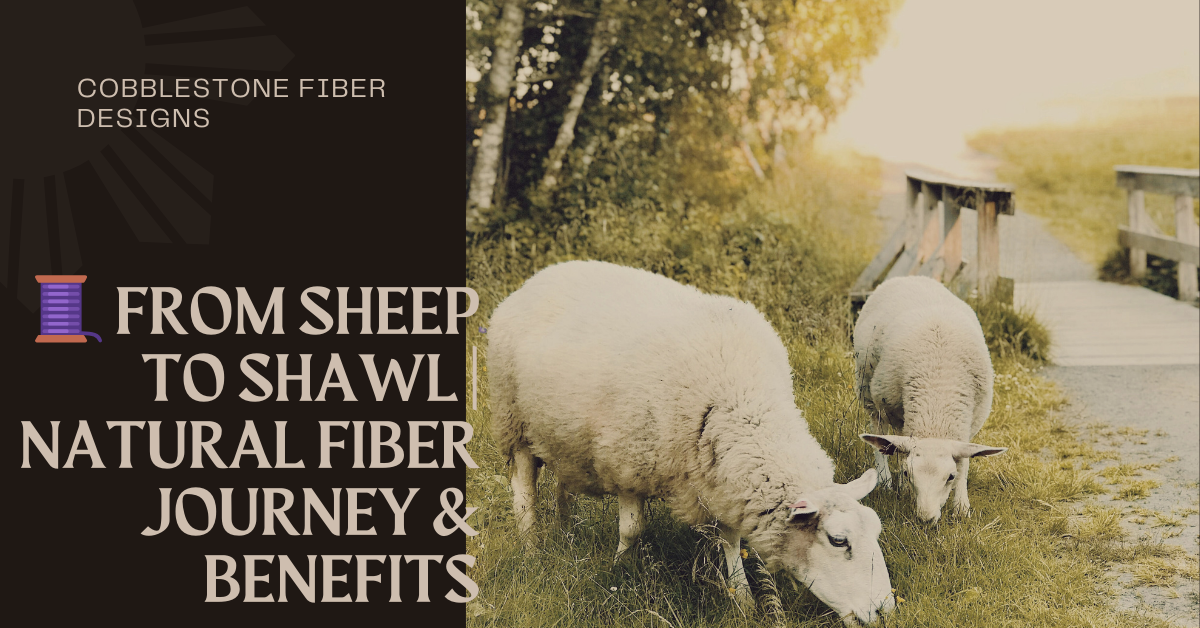
Every handwoven shawl, scarf, or blanket I create begins long before it’s on my loom. It begins in the pasture, with sheep grazing under the open sky. Natural fiber isn’t just a material—it’s a story of care, tradition, and connection to the earth. Today, I want to take you behind the scenes of how a garment truly comes to life: from sheep to shawl.
Step 1: The Animals
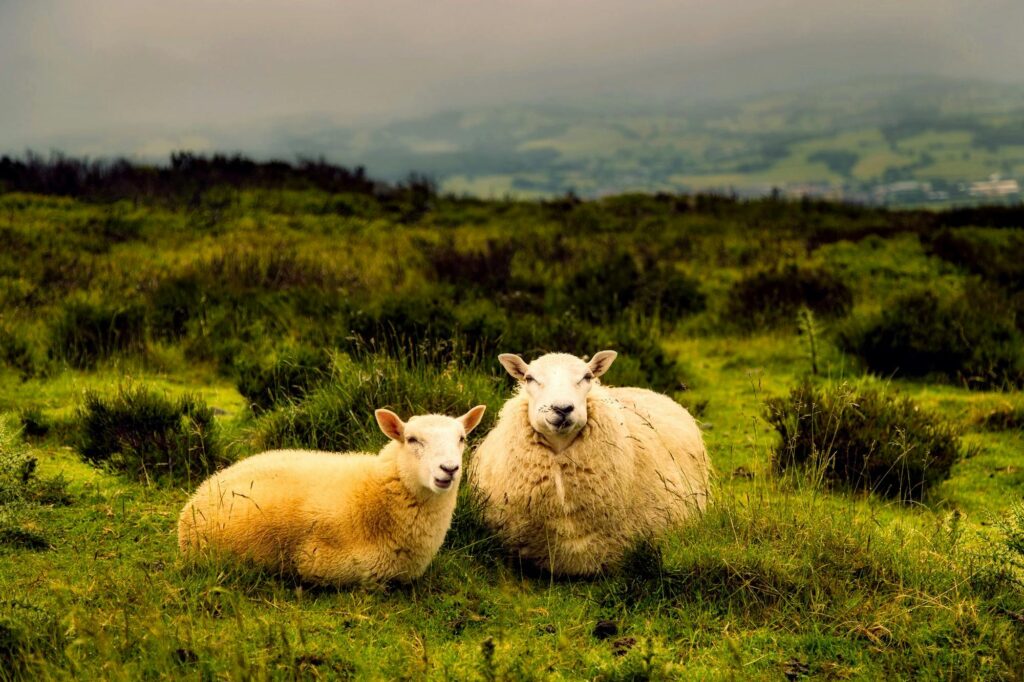
It all begins with the animals—sheep, alpacas, goats, even angora rabbits—whose coats provide the wool we treasure. These animals are shorn once or twice a year, a process that, when done with care, is safe, painless, and absolutely necessary for their health.
There’s a misconception, fueled by certain activist campaigns, that shearing is cruel. In reality, it’s quite the opposite. Many modern breeds no longer shed naturally, which means their wool just keeps growing—much like our own hair. Left unshorn, sheep can become overgrown to the point of suffering. Wool can cover their eyes until they’re nearly blind, or grow so heavy that it crushes their ability to walk. In extreme cases, sheep have been found carrying more than 80 pounds of wool on their backs.
For both sheep and alpacas, spring shearing is especially important. Imagine a hot, humid summer while wearing a heavy winter coat—you’d be miserable! Shearing prevents overheating and keeps the animals comfortable year-round. When done properly, shearing brings relief and improves their overall welfare.
Step 2: Shearing & Skirting
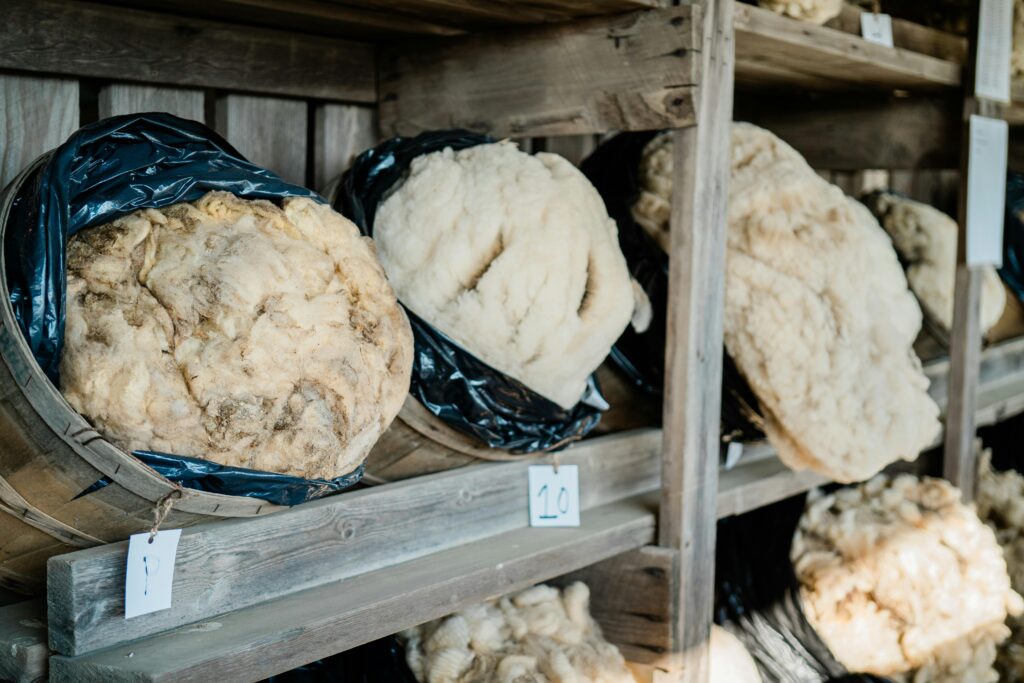
After shearing, the raw fleece is laid out and “skirted”—which means removing the dirtiest or unusable bits around the edges. Only the best parts of the fleece move forward in the journey.
Step 3: Washing (Scouring) & Lanolin
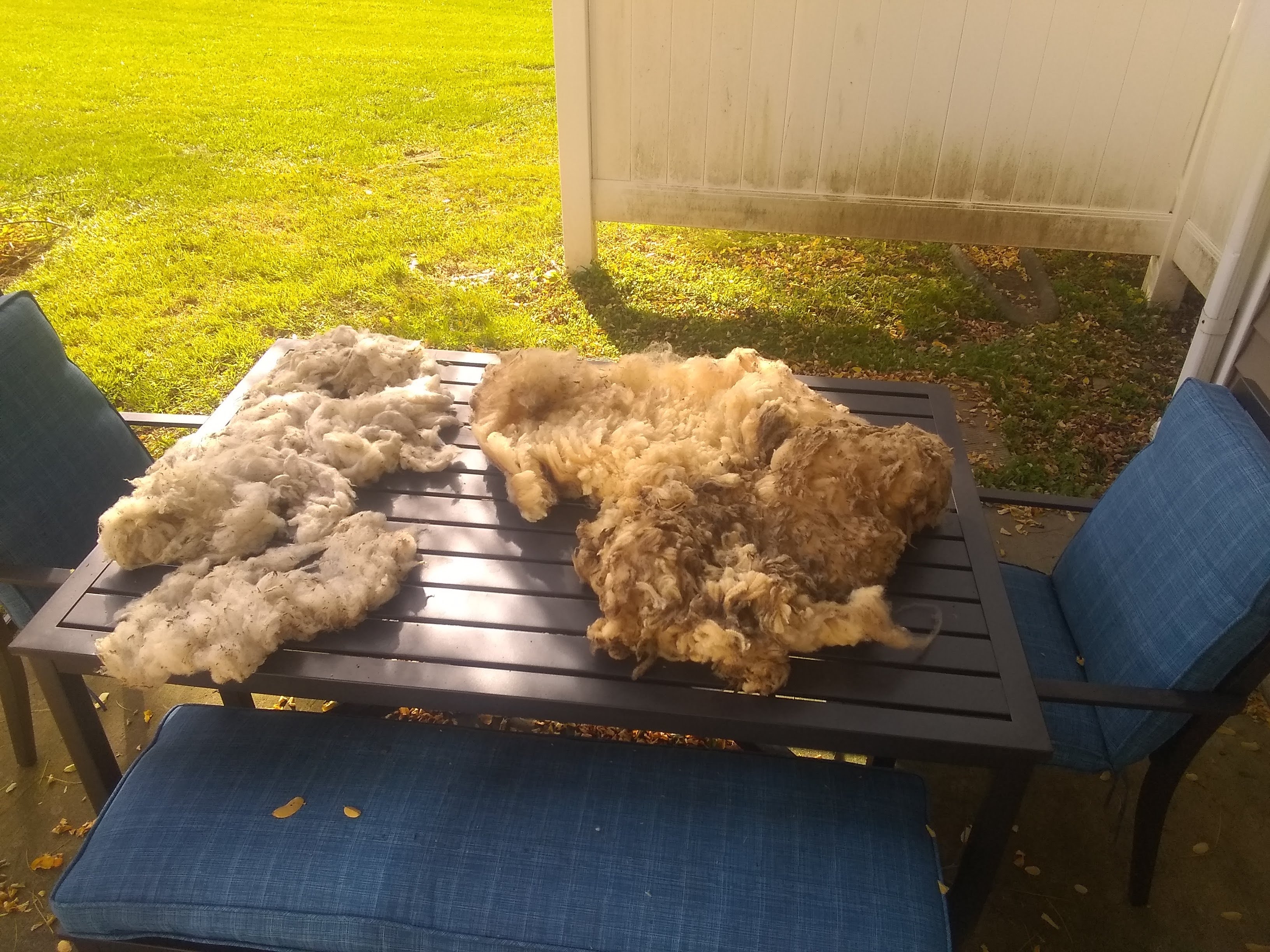
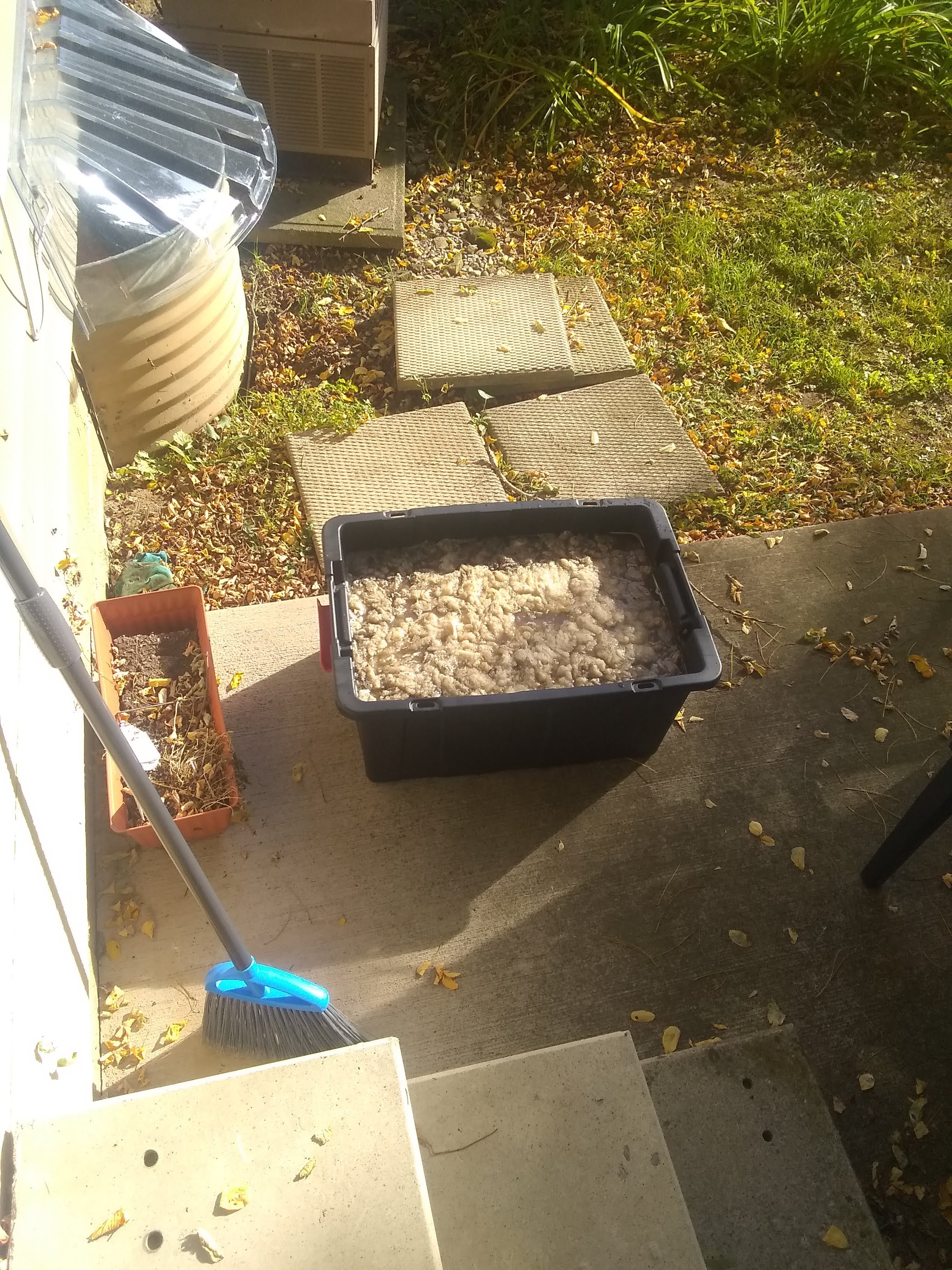
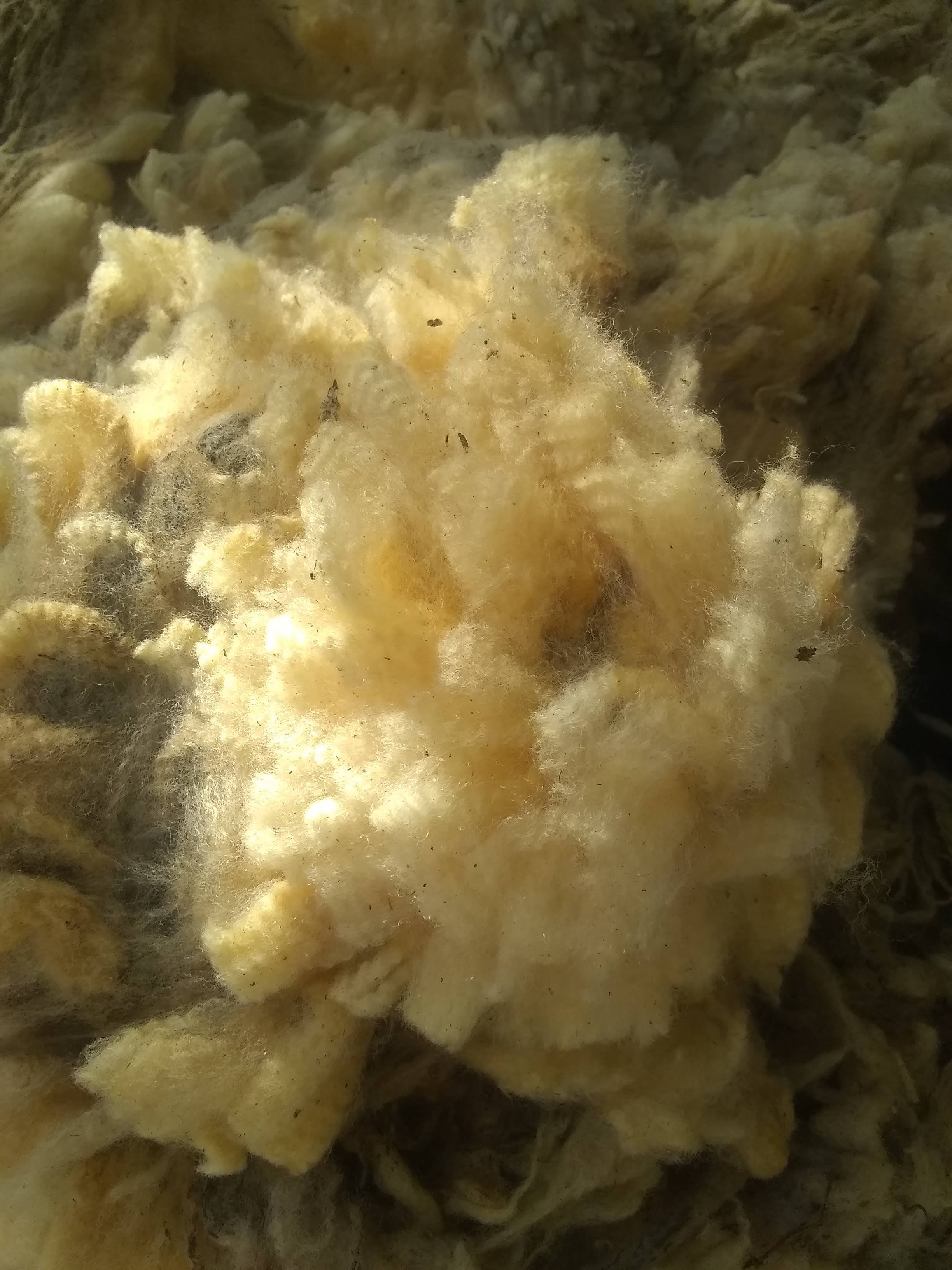
Raw fleece contains not only dirt and bits of hay but also lanolin, a natural oil produced by the sheep. Lanolin acts as a kind of waterproofing barrier for the animal, keeping its fleece soft and protective in all weather.
Here’s something most people don’t realize: lanolin is essentially the sheep’s “sweat.” While commercial mills often process wool heavily to remove as much lanolin as possible, there’s really no way to eliminate it entirely. Sometimes, when people think they’re “allergic to wool,” they’re actually reacting to the lanolin. That’s why I often suggest they try alpaca fiber, which contains no lanolin at all, before giving up on natural fibers altogether.
Each step of washing, carding, and spinning also further cleans the fiber, leaving it fresher and softer along the way.
Step 4: Carding & Spinning
Once washed, the fleece is carded (combed) to align the fibers, then spun into yarn on a wheel or spindle. This step transforms loose locks into a strong, continuous thread.
Step 5: Dyeing (Nature’s Palette)
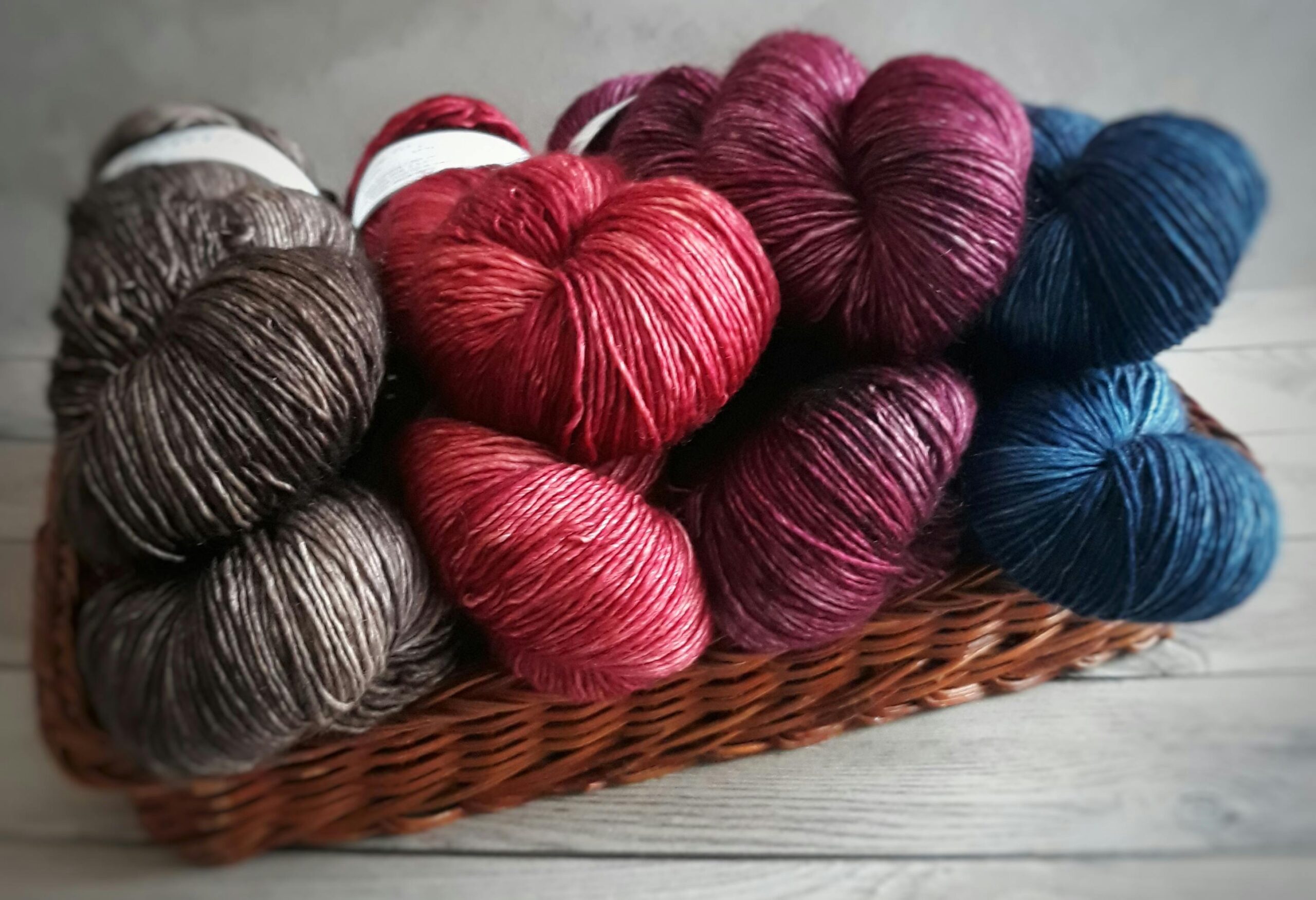
This is where creativity blooms. I often use natural dyes—plants, roots, and even kitchen scraps—to color my yarns. Onion skins, indigo, marigolds, and walnuts all create rich, earthy tones. Each batch of hand-dyed yarn carries the fingerprint of nature itself.
Step 6: Weaving on the Loom
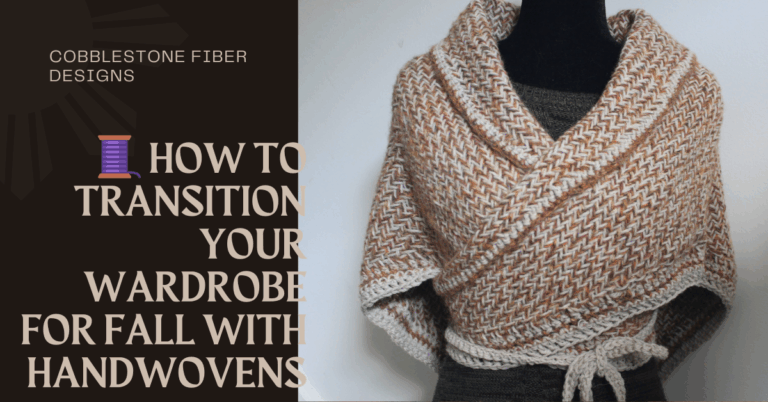
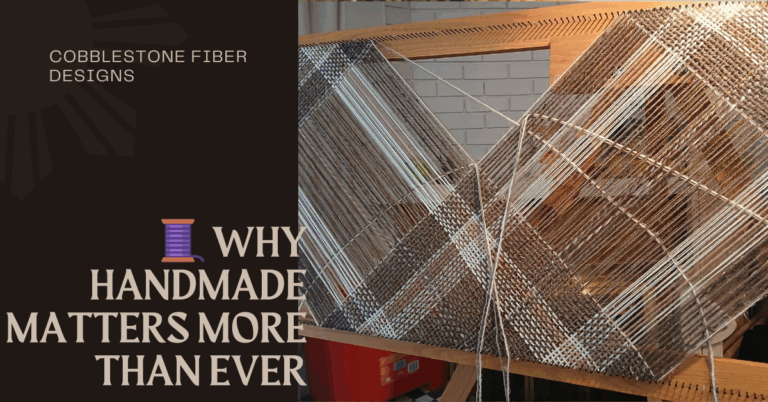
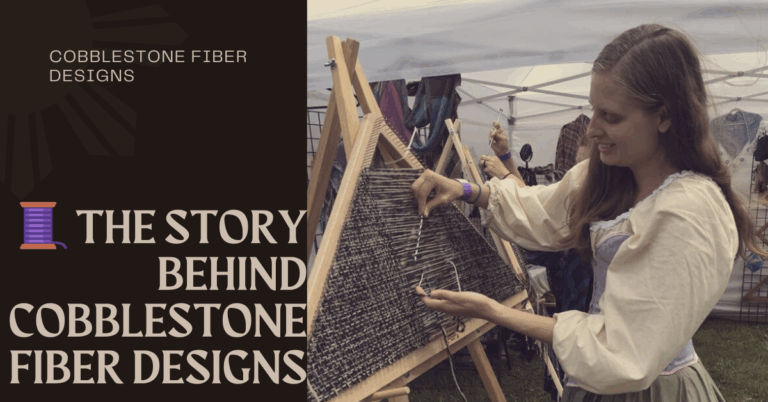
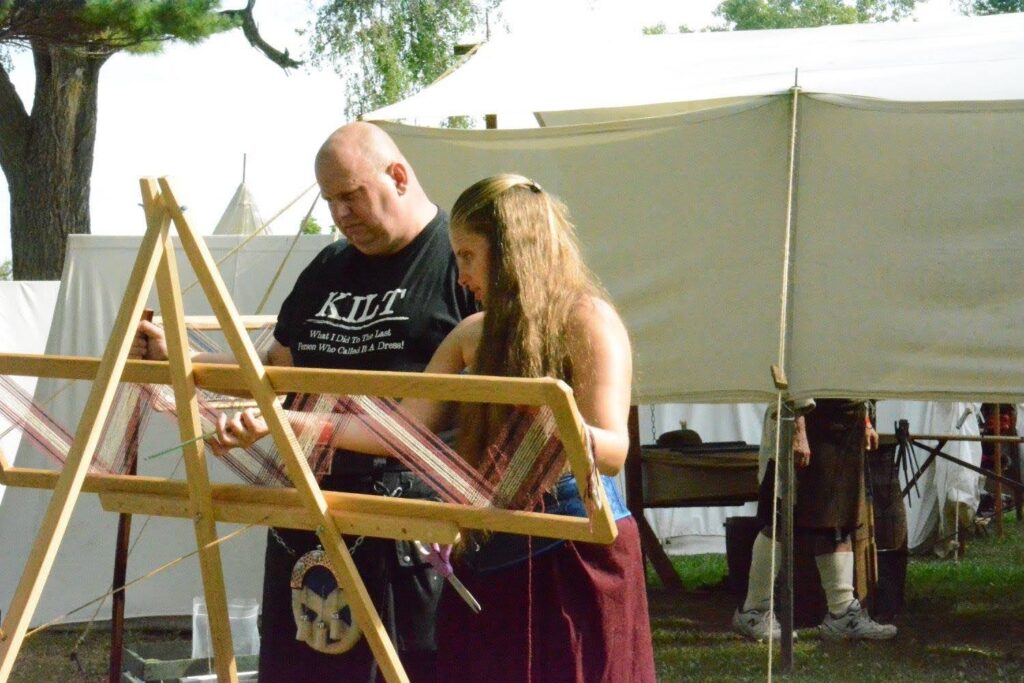
With yarn ready, I move to the loom. My specialty is continuous strand weaving, which creates a larger, bulkier, and more open weave than traditional English looms. This method allows me to use any size yarn to create my garments—something I love, because it gives each piece its own personality and texture.
Step 7: Finishing the Piece
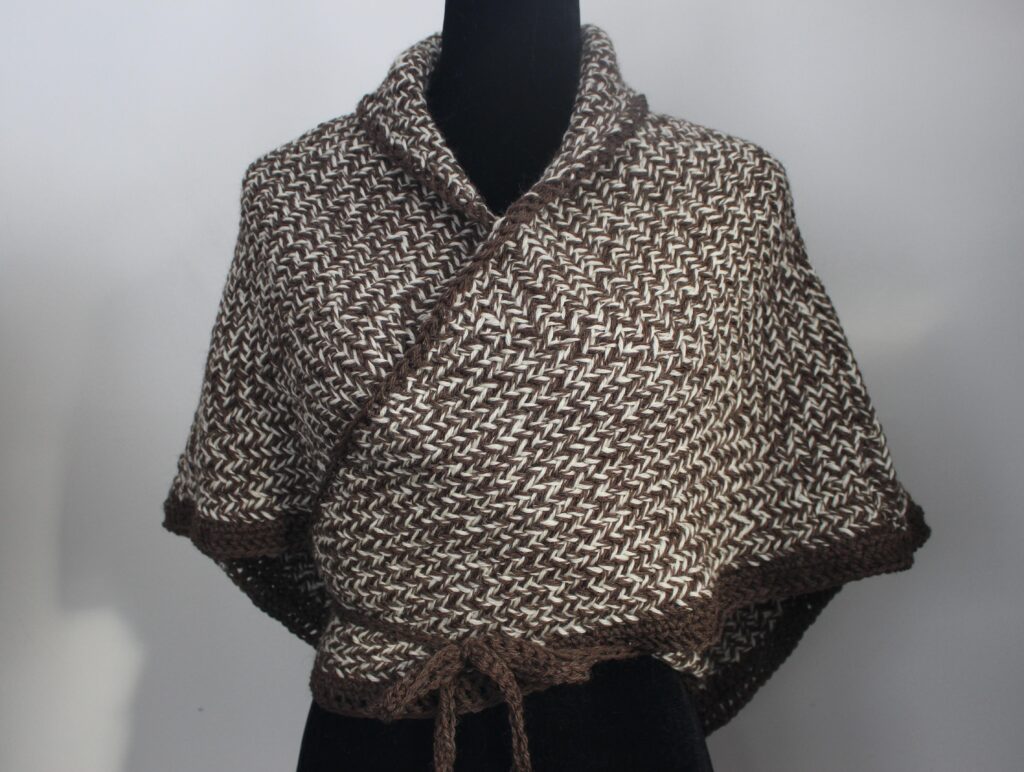
Once woven, the shawl is carefully removed, washed again, and finished. This step softens the fibers, sets the weave, and brings the whole journey full circle.
The Bigger Picture: Why Wool Matters
Here’s something most people don’t know: more than 75% of the wool shorn globally every year is wasted. We’re talking millions of tons of natural fiber discarded simply because demand for natural textiles is low.
That’s astonishing when you think about what wool offers:
- Comfort & Performance – Wool breathes, regulates temperature, and even resists odors.
- Sustainability – Wool is 100% renewable and biodegradable.
- Tradition & Value – Wool has clothed humanity for thousands of years.
Imagine the difference if every person on the planet bought just one wool item per year. The ripple effect could transform the wool industry, reduce waste, and even lighten our footprint on the planet. It’s a small choice with a huge impact.
Closing
When you wrap a Cobblestone Fiber Designs shawl around your shoulders, you’re not just wearing fabric—you’re carrying the story of the earth, the animal, the artisan, and the timeless rhythm of slow craft. That’s why I believe so deeply in working with natural fibers.
✨ Every thread tells a story, and I’m honored to weave it for you.